Throughout the B.A.M. and J.A.M.I.N. programs, we evaluate each program by surveying students in each of the three phases. We use this information to gage how much information the students initially know regarding mangroves and their attitudes towards them before we begin the programs. After we start the programs, we continue to survey the students. This data helps us to determine whether our education programs are effective and whether we know our audience. It also allows us to measure how much knowledge is retained and whether or not their attitudes and actions about mangroves change as they continue through the program.
During the final survey, we ask the students for their input about the program. We want to know things such as: How we can improve the program; What was their favorite part of the program; and What did they learn from participating in the program?
One of my favorite things to do after the programs have ended is to read the students’ written responses. Below you will find select responses to the final survey. I hope you enjoy them as much as I do!

“Before this project, I did not even know what mangroves are. Now that I do, I am willing to do my part to protect them as much as I can. Thank you, Khaled bin Sultan Living Oceans Foundation. Without your aid, this would not have been possible. I am really look forward to the second part of the project. Looking forward to more field trips also.”
–Kimoya Blackett, Titchfield High School
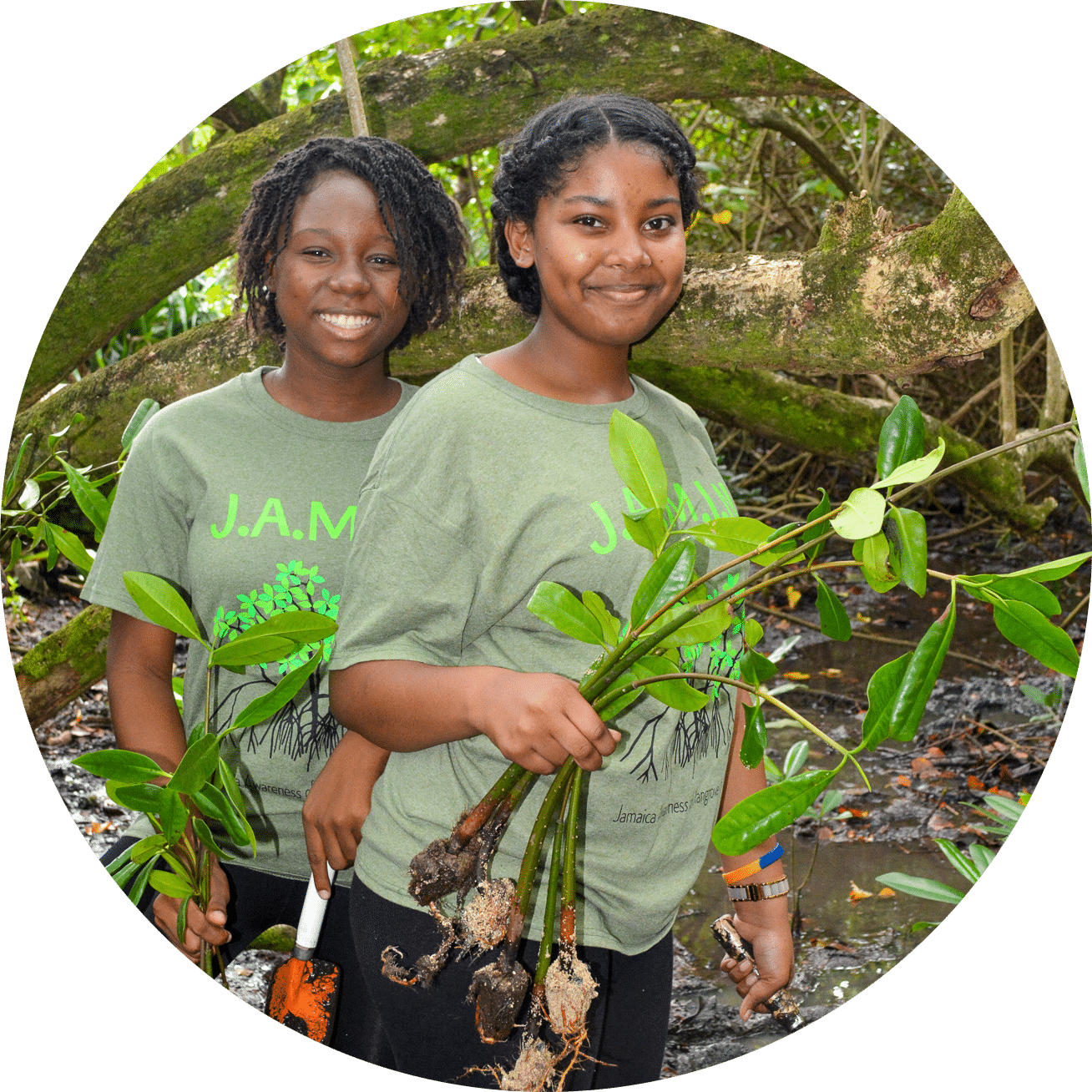
“My favorite part of this project was the practical experience to actually go out and plant my mangroves in the smelly, though nutritious mangrove mud. It gave me a sense of accomplishment to know that, although small, I was making a difference in bettering Jamaica.”
–Victoria Hall, Titchfield High School
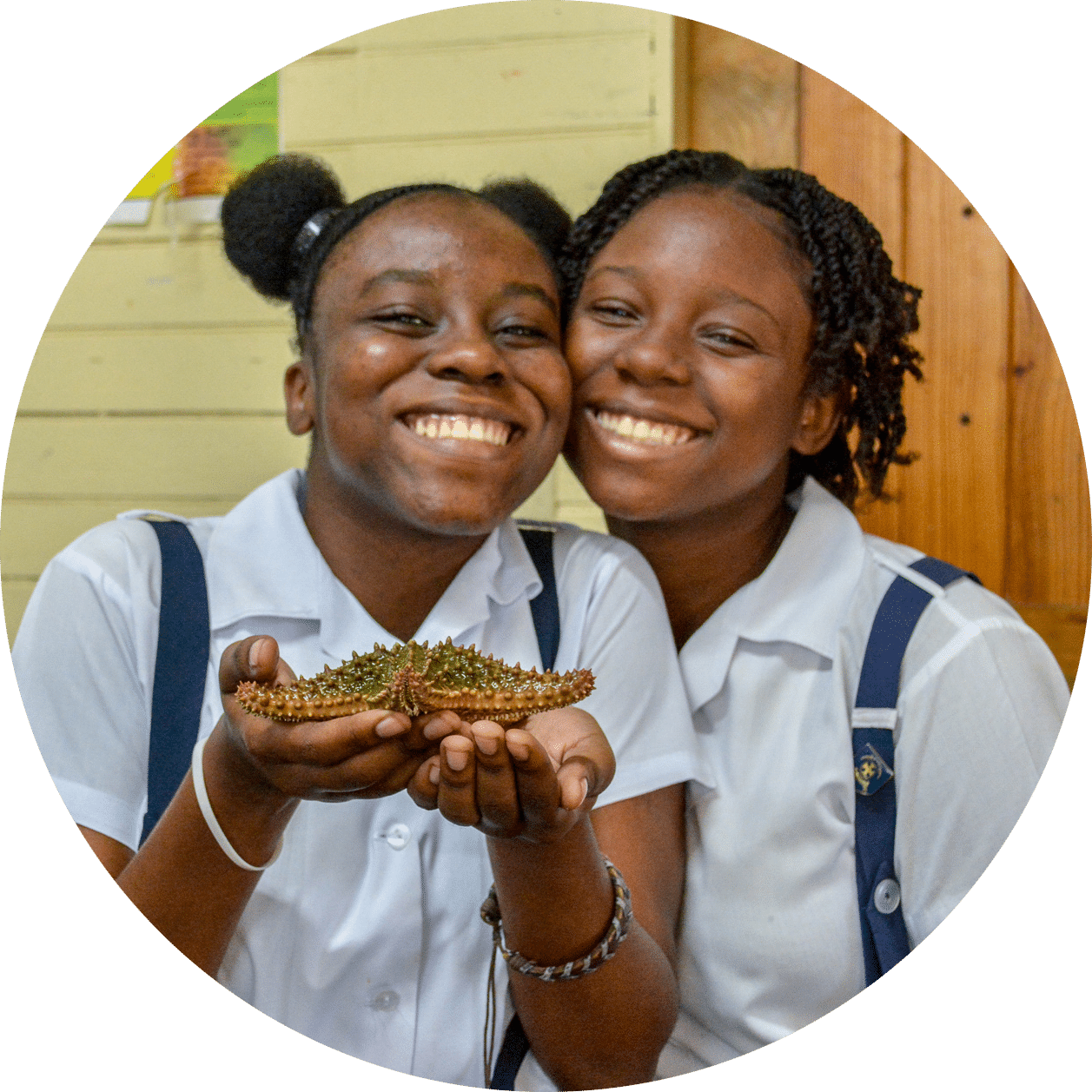
“I have actually become a better person because of this project. It taught me responsibility (as it relates to taking care of mangroves), and it helped me to stop littering and conserve. I am more protective of my environment and I wish to share this information with my peers and family members.”
–Roshantia Bramwell, Titchfield High School
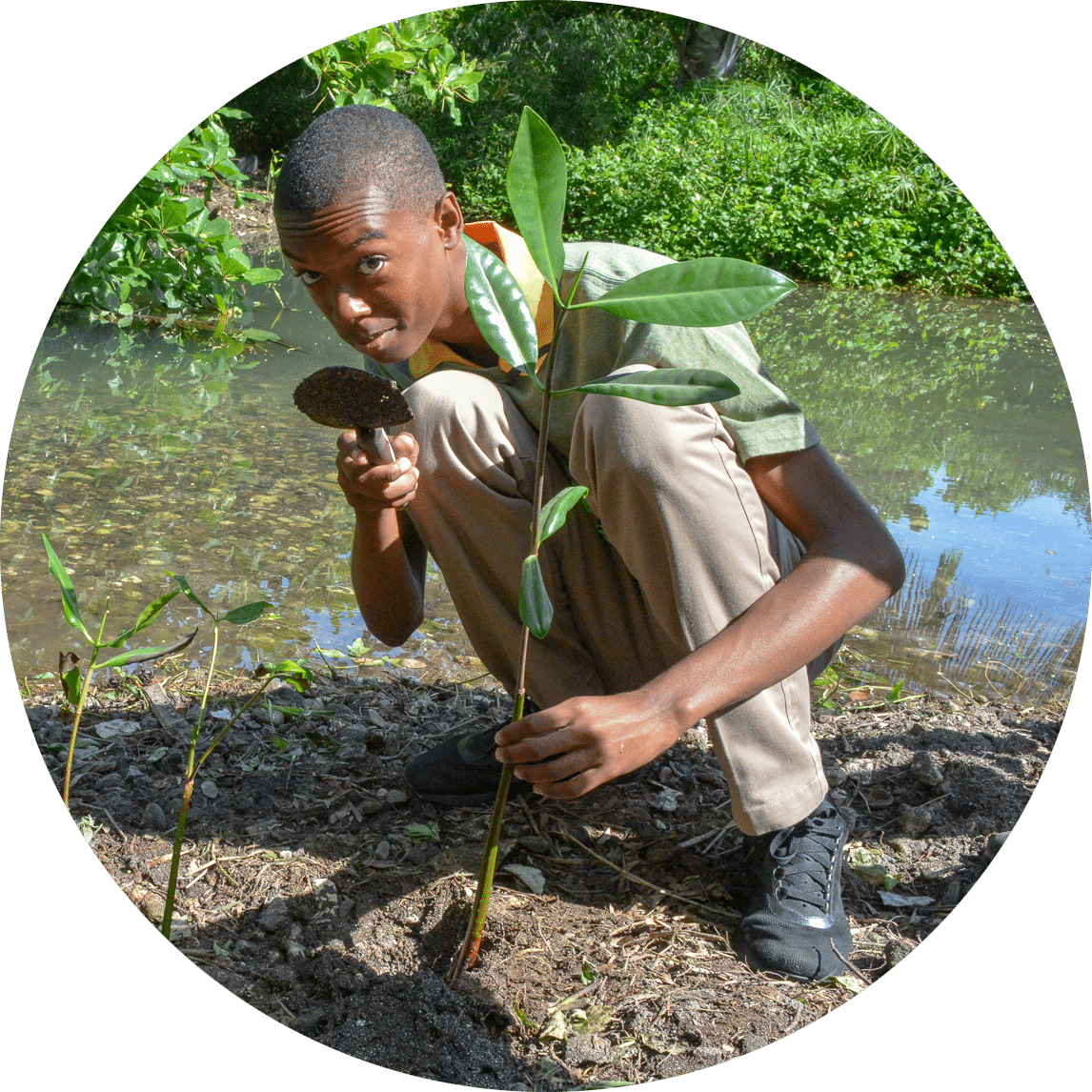
“I would like to share my thanks for this project. I know have an extended knowledge about mangroves and I have responsibility to protect them.”
–Ajani Cox, Port Antonio High School
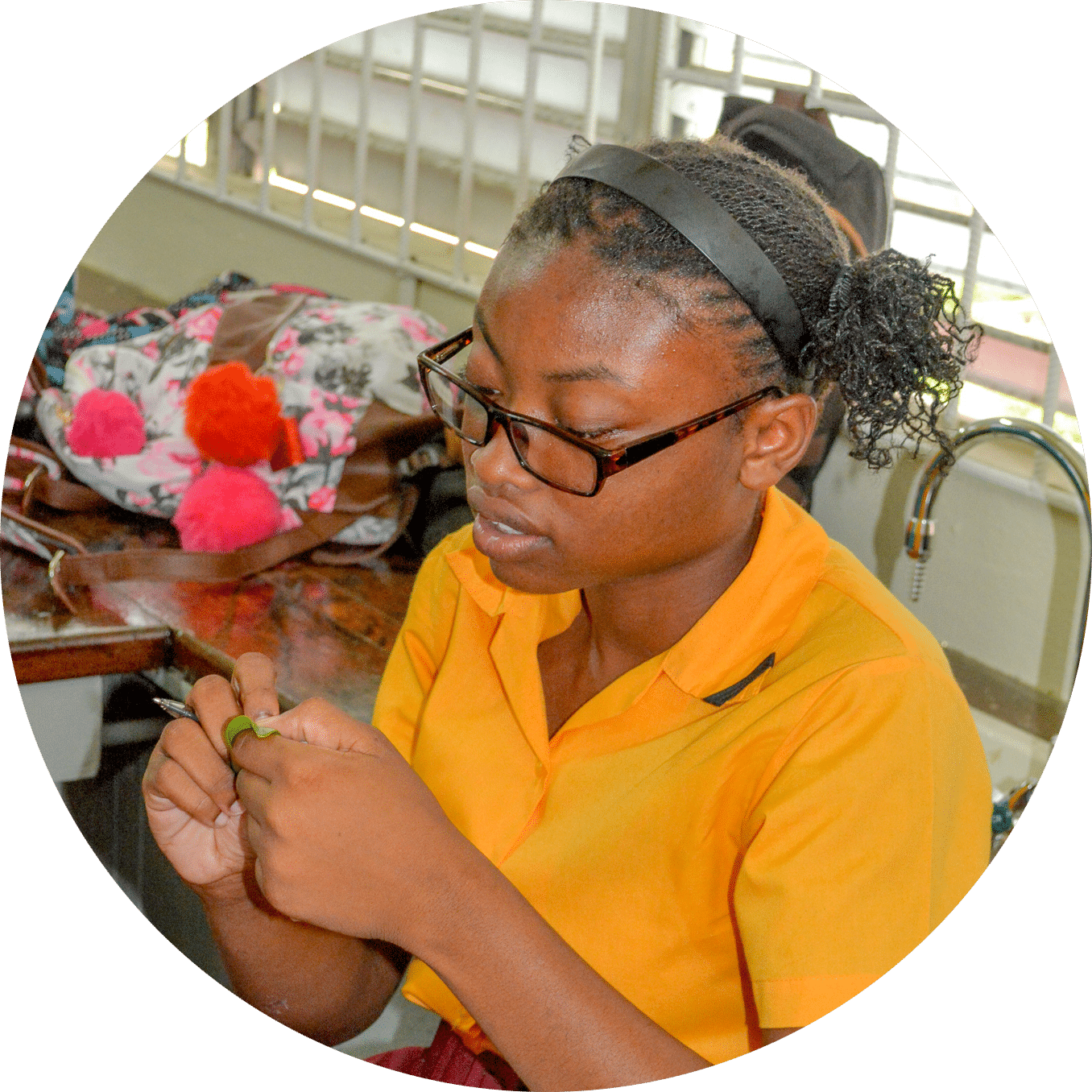
“I learned a lot from this course, and it was not only a learning process, but also a fun one too. It made me want to help take care of our mangroves.”
–Andrene Osbourne,Port Antonio High School
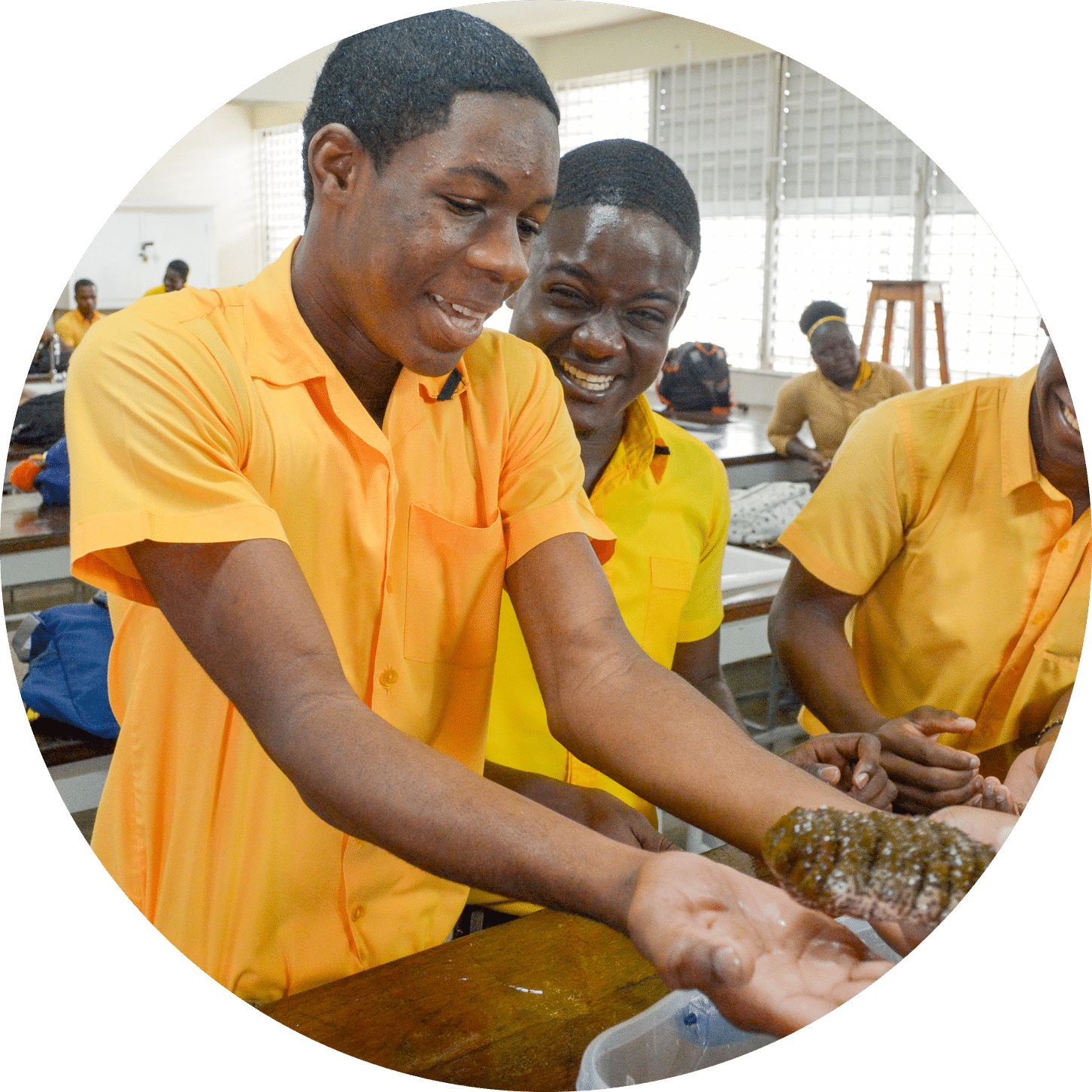
“This project is awesome and teaching younger students would help raise awareness.”
–Andrian Thompson, Port Antonio High School